The Cambodia Daily
28-10-2025
[Peace agreement between Cambodia and Thailand: Read here or download.]
Observers in Cambodia have expressed both praise and concern over the new peace agreement between Cambodia and Thailand. While many see it as a breakthrough that prevents conflict between the two neighbors, others worry the deal leaves key border disputes unresolved.
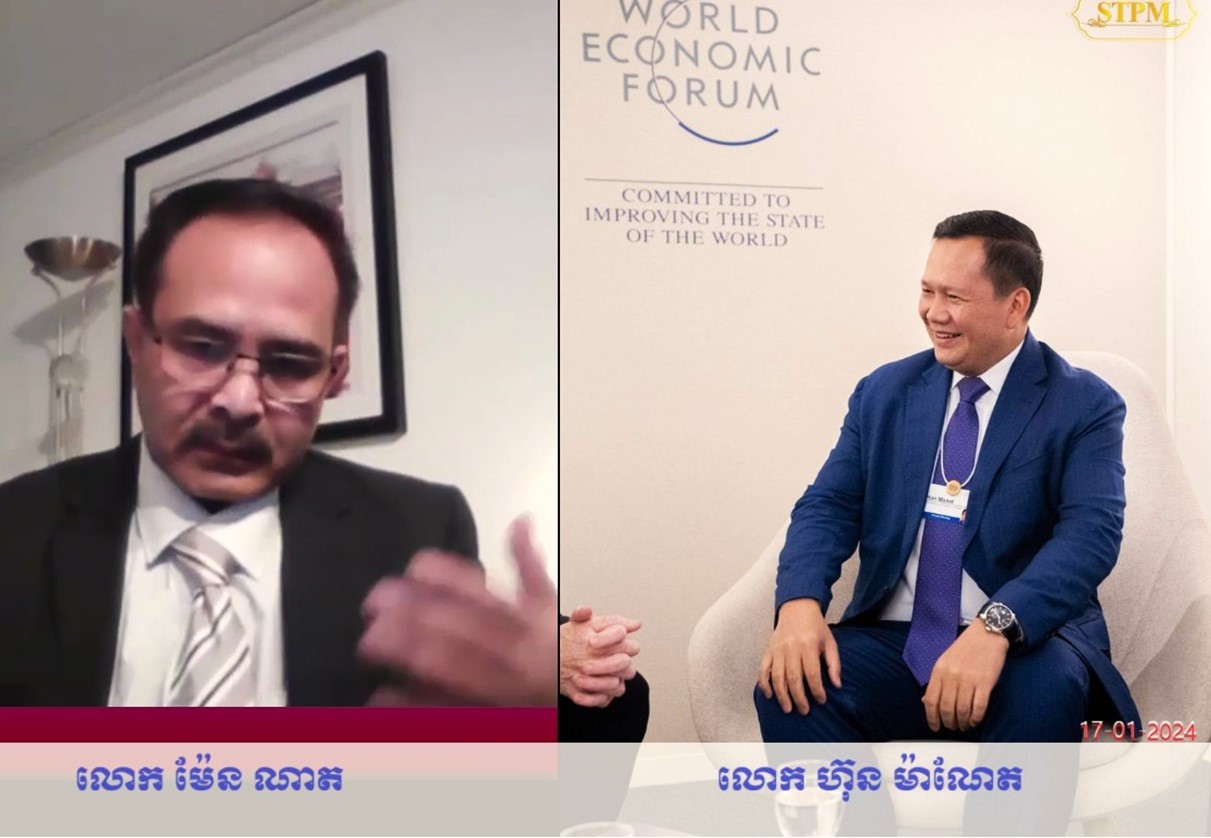
Men Nath, president of the Cambodia Watch Council, told The Cambodia Daily that although the agreement marks an important step toward peace, its vague language could complicate future negotiations over the border. He noted that the document does not specify the withdrawal of Thai troops from contested areas such as Phnom Trop and An Ses, or the removal of military obstacles near Chouk Chey and Prey Chan villages in Banteay Meanchey province.
Men Nath said that although the statement between the two countries highlights respect for international law, it does not mention the 1904 and 1907 Franco–Siam treaties or the 1:200,000 map used to define the border. Without those references, he said, the settlement of territorial disputes remains uncertain.
He added that Cambodia continues to be at a disadvantage in bilateral talks and should insist that Thailand withdraw its forces through diplomatic and legal means, including potential action at the International Court of Justice, if no progress follows this peace deal.
Sek Socheat, a development and research analyst, agreed with Men Nath’s concerns, saying that every agreement with Thailand must clearly reference the colonial-era treaties that have long defined the border. Despite those treaties, he said, Thailand has repeatedly violated Cambodian territory.
Sek Socheat also suggested that with U.S. President Donald Trump back in office, Cambodia should move quickly to finalize the remaining border demarcations based on the 1904 and 1907 agreements.
The peace agreement was signed by Cambodian Prime Minister Hun Manet and Thai Prime Minister Anutin Charnvirakul in Kuala Lumpur on October 26, witnessed by President Donald Trump and facilitated by Malaysian Prime Minister Anwar Ibrahim during the ASEAN Summit.
Both sides agreed to eight key points, including respect for international law, cooperation between the General Border Committee, the Regional Border Committee, and the Joint Boundary Commission, enforcement of the ceasefire, reduction of military presence, and withdrawal of heavy weapons from the border zone. The deal also calls for the release of prisoners of war, tighter border control to combat cross-border crimes, and peaceful dispute resolution in line with international treaties.
President Trump welcomed the accord, praising both sides for releasing 18 Cambodian soldiers previously detained by Thai forces.
Meanwhile, Cambodia’s ruling party leader Hun Sen described the peace agreement as the first harvest of Hun Manet’s “quiet but active diplomacy,” saying Cambodia’s priority remains peace and stability.
However, Thailand’s The Nation newspaper quoted Prime Minister Anutin Charnvirakul as clarifying that the joint statement is not a formal treaty but rather a Cabinet-approved roadmap toward lasting peace between the two countries.
Peace agreement between Cambodia and Thailand: Read here or download in English.